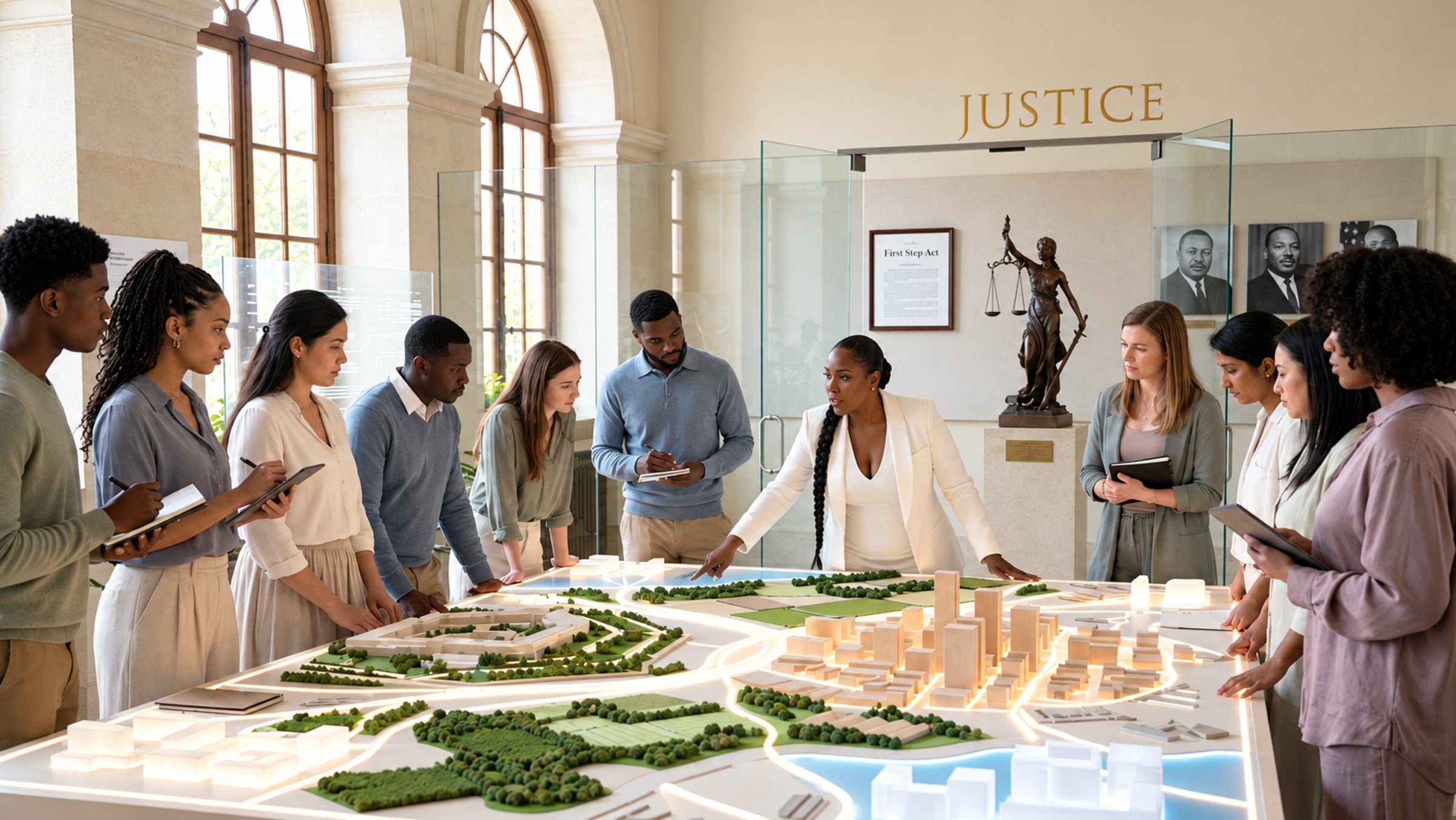
School of Flourishing Justice
Tools to Build an Enlightened Society
Academics / Schools & Departments
The School of Flourishing Justice prepares students to build a just society at the root, one that brings forth each person’s unique gift and welcomes it into the life of the whole. It returns law and justice to their purpose: creating flourishing over punishment. Its work runs from the local level outward, from restoring dignity to communities on the margins to influencing law and media through advocacy. It begins by recognizing inherent power and possibility, rather than defining a person or community by injury alone. The expression of flourishing here is overflowing offering and alignment: the capacity to recognize what the world needs and to place one’s developed power in service to it.
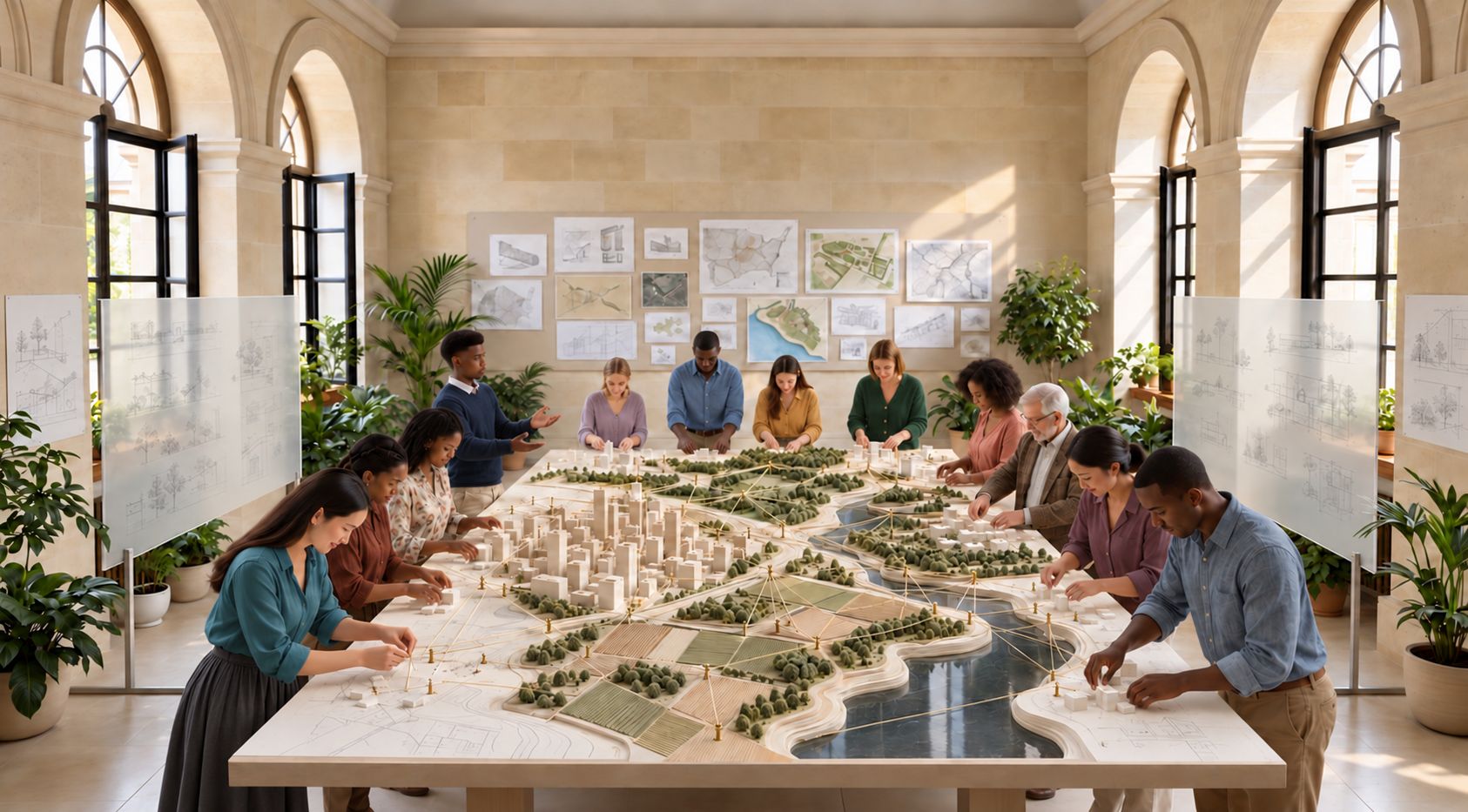
Department of Rehumanization
The Department of Rehumanization studies justice as rehumanization: restoring people, communities, institutions and the living world to dignity, belonging, relationship and contribution. In the philosophy of Eros, what a culture discards holds the raw material of human flourishing, and Eros takes that poison and makes it medicine. Whatever has been treated as damaged, disposable, deficient or “other” is brought back into the field of belonging, and students learn to recognize genius and capacity where conventional systems see only pathology or failure. Food is restored from commodity or waste to nourishment and hospitality, earth from an object of consumption to a living relationship, and addiction from pathology to concentrated energy that can be turned toward meaning and contribution. Incarcerated people are recognized as teachers, students, practitioners and sources of knowledge, beyond the identity of prisoner. Rehumanization does not deny harm or remove accountability. It refuses to make harm, diagnosis, social status or institutional identity the total definition of a person. The department also takes up the difference between force and true power, freedom from a fixed identity, and how to fund work that serves human flourishing. The vision is institutions rebuilt from the inside: prisons that become monasteries, soup lines that become tables set with care, worn-out land that bears again. The expression of flourishing here is dignity restored, and the overflow that follows.
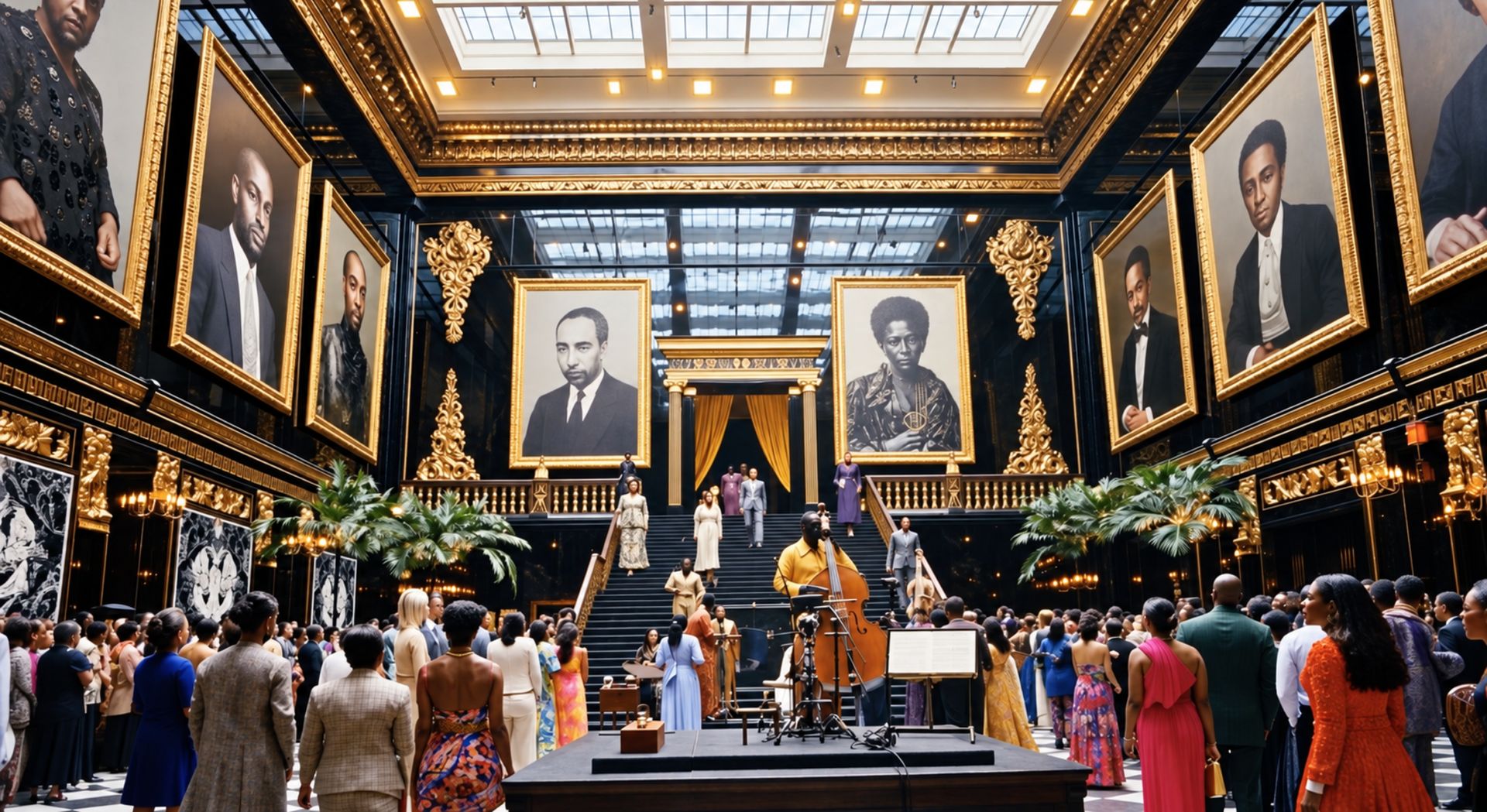
Department of Eudaimonia of Ethnicity
The Department of Eudaimonia of Ethnicity studies ethnicity as a source of culture, power, genius and human possibility. It builds on generations of struggle for equality, movements whose gains made this work possible, and takes that work a step further: toward the unique genius each person and each community holds, and how it can be brought forth. Where earlier movements began with injury, the department begins with contribution. It studies the healthy half of a people’s story, describing people and communities first by what they reach for, make and give. From the perspective of Eros, belonging is a form of contact, where cultural inheritance, embodied presence and civic life inform one another, and it is something a person practices as well as something a community grants. Students study Black intellectual, artistic, spiritual and civic life as a lineage of genius, and hold open conversation about subjects often left unspoken, including power and sexuality. The larger aim is a society organized to bring out the genius in each person and each people, where those pushed to the margins become leaders and guides of a more connected world. The expression of flourishing here is a community’s genius recognized and welcomed into the life of the whole.
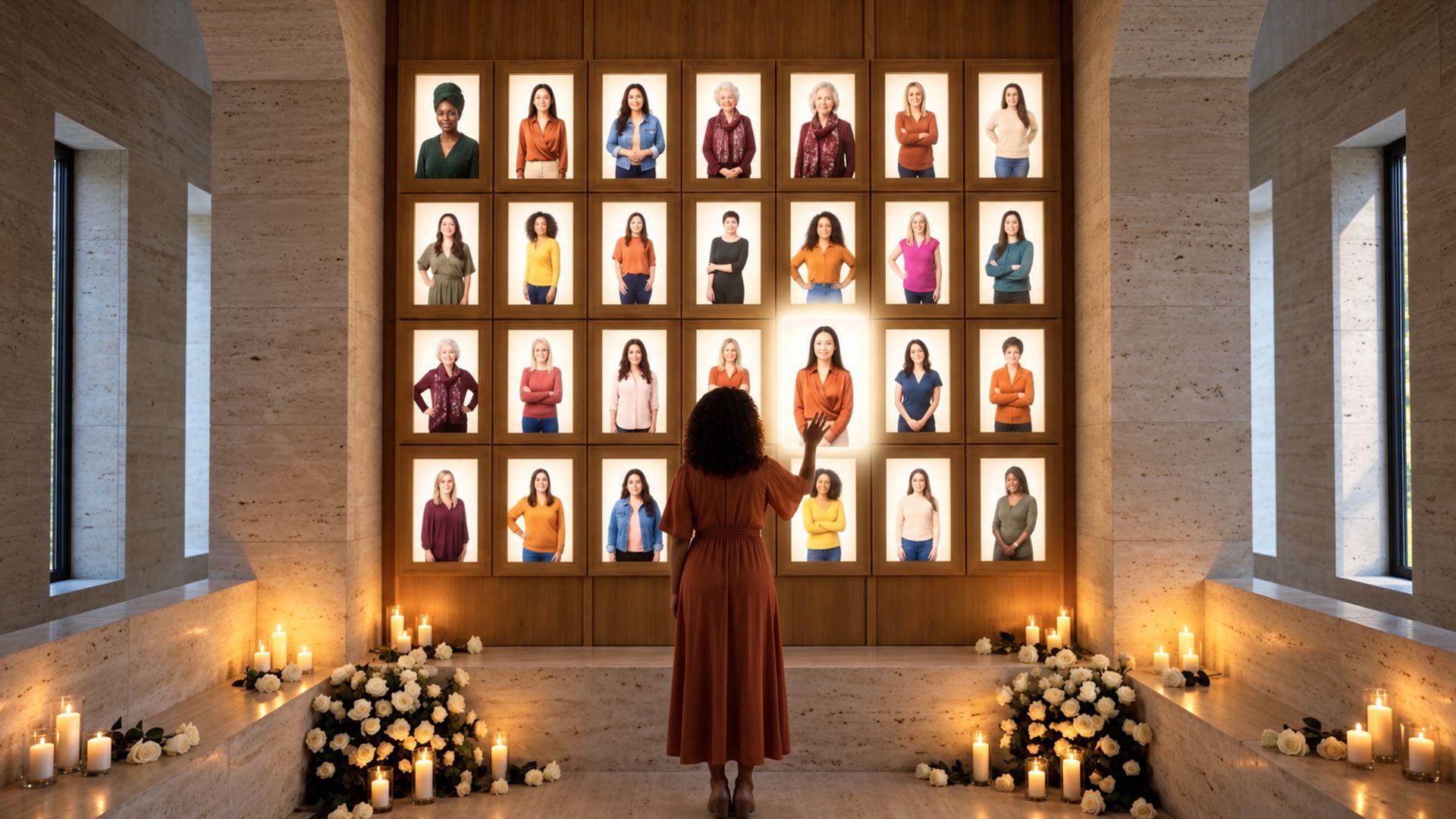
Department of Eudaimonia of Gender
The Department of Eudaimonia of Gender studies feminine and masculine power as forces that shape connection, and the cultural fear of sex that keeps both from full expression. It studies them from the perspective of Eros, where a woman’s power is defined from the inside out, not as a reflection of men or as the masculine form of power taken over and called liberation. Students look at the power women generate and the ways they learn to suppress it, from outside and from within, and at the capacity to draw forth and receive that sits at the center of that power. They take up masculine authority as something anyone can hold: healthiest when its structure is offered in service, and harmful when it slides into domination or control. Here the masculine is honorably relieved of the duty to control, and its sense of duty is put to work in harmony with nature. The department also traces erotophobia from the temples through the witch trials to modern moral panics, and follows how that fear still lives in law, medicine, media and religion, and in the way people talk about themselves. Sex is studied as a force that connects us to the world, and the way a person relates to sex shows how they relate to power. The larger vision is a culture built around power that draws forth instead of controlling, where women’s liberation builds a new order instead of fighting the old one. The expression of flourishing here is power a person can own and offer.

Department of Carceral Arts
The Department of Carceral Arts studies what prison teaches about freedom, and what everyone can learn from it. In the East, those who live in caves are either the impoverished or the enlightened, and in the West the same is true of prison. Prison strips life down to almost nothing, and some of the people who live there have found a freedom that needs almost nothing. Meanwhile, many people on the outside live chained to addiction, fear and the lives that run them. The department starts from the idea that the greatest potential lives in the darkest places. It treats what people learn inside as knowledge the world needs: how to stay steady under pressure, read a room before it turns, keep the peace where one wrong word can start a war, and make something out of whatever is at hand. These capacities are studied seriously, with their own methods and ethics, and they are learned from the people who have lived them. Seen this way, a prison can become a monastery, and the same practice can free a mind anywhere. The expression of flourishing here is freedom found in the hardest places, and offered to others.