Curriculum Overview
- 1
The Core
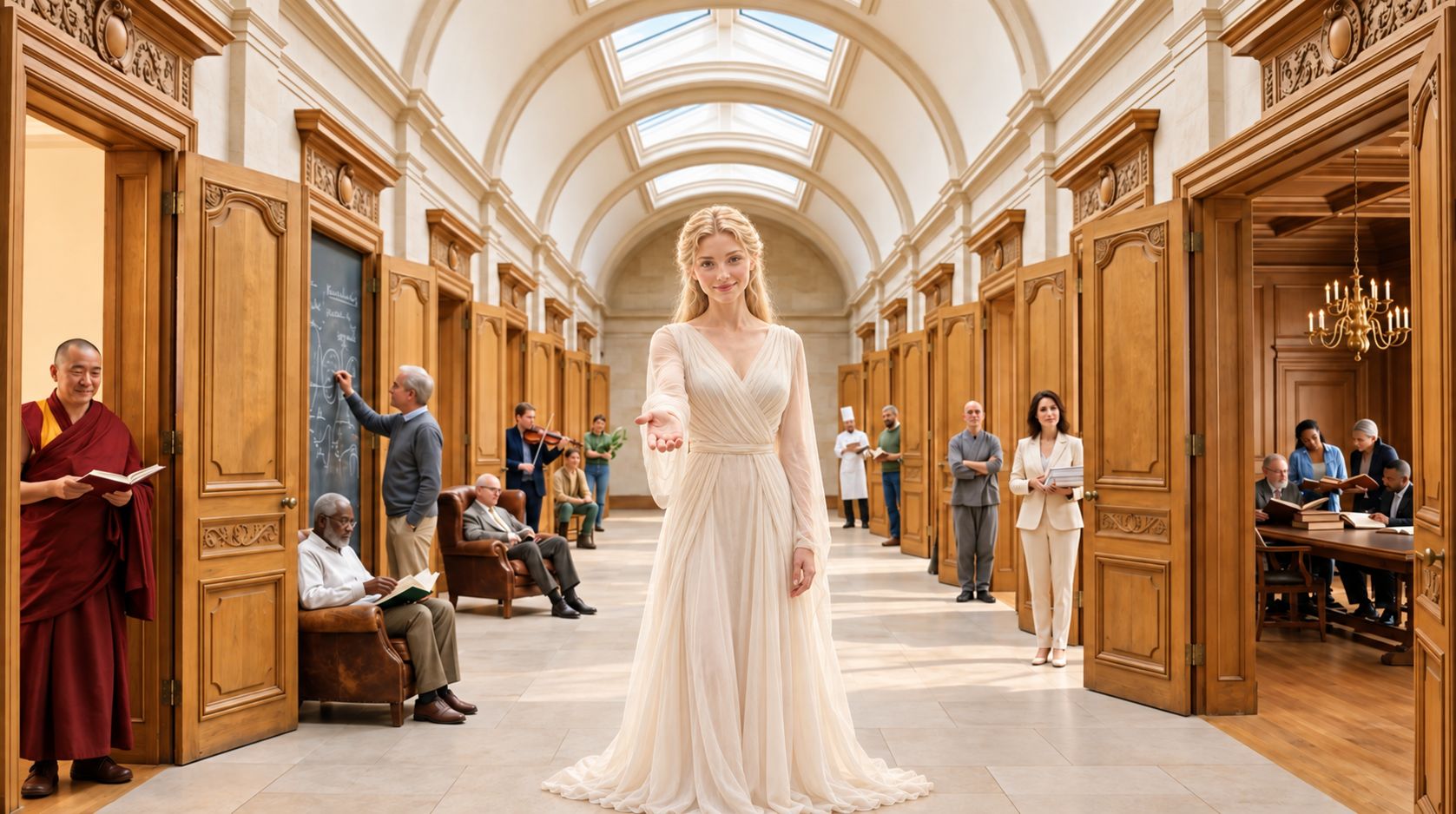
Every student begins with the Core, the foundation for all study at the Institute. Across the Core, students read all five volumes of the Eros Sutras, from the principles of Eros and tumescence to Orgasmic Meditation, relationship, and liberation and justice. They learn what blocks flourishing and what sets it free, and study the feminine path as a way of knowing through the body and experience. They learn Orgasmic Meditation, the program’s foundational practice, whether or not they take it up themselves, build a daily discipline of their own, and keep a journal that records what changes along the way. After the Core, every degree student takes the Leadership Core: How to Think and Transmitting Eros: The Practice of Leadership. PhD and DMin students then take the Research Core for their degree. By the end of the Core, students share a common language, a working practice and a way of seeing that they bring into the rest of their studies.
- 2
The Specialty
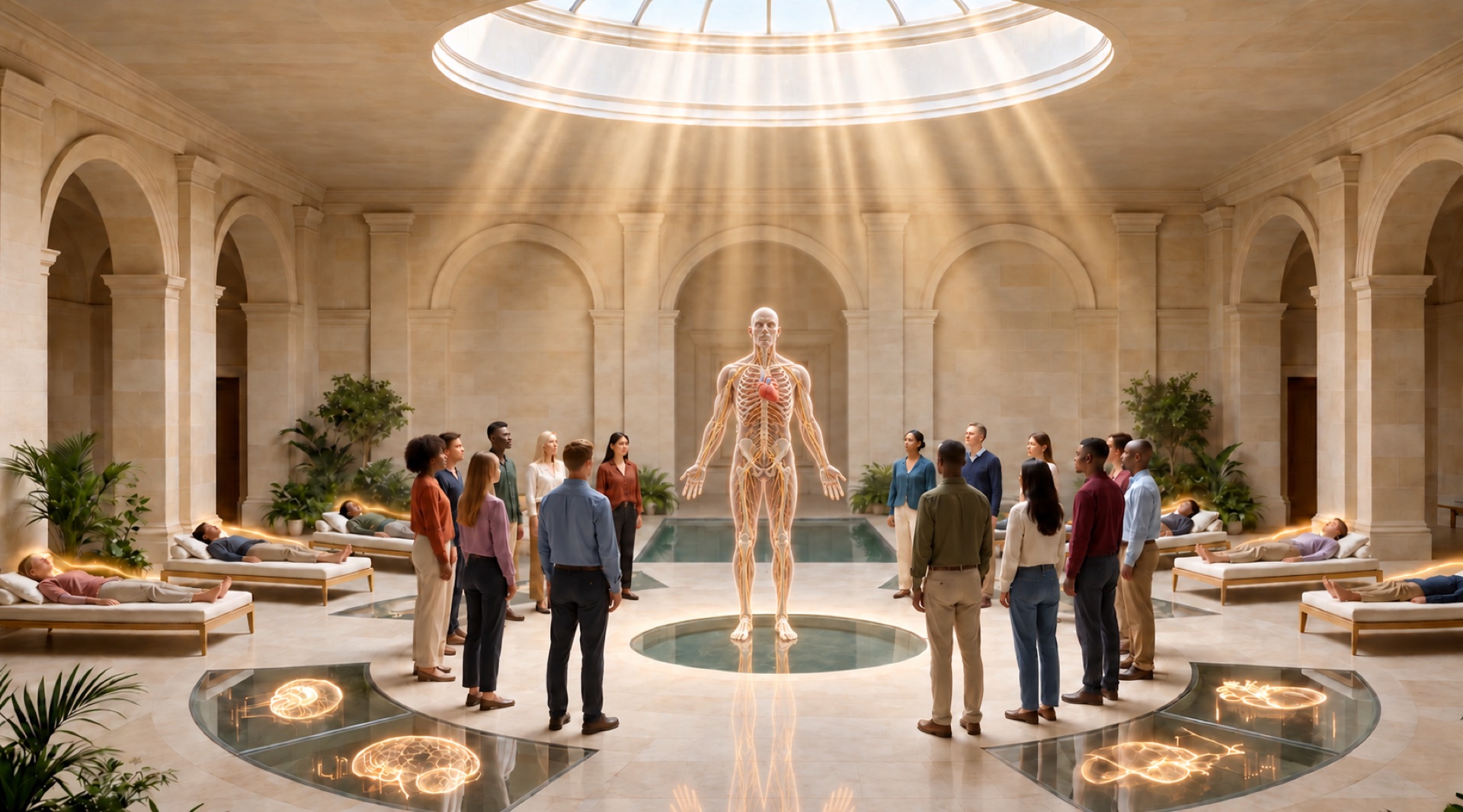
Degree students in Eros, Consciousness, and Flourishing choose a specialty after the Core: Eros (any course in the School of Eros), Lucidity Practices (any course in the School of Lucidity and Consciousness) or Applied Justice (any course in the School of Flourishing Justice). MA students take four courses in the specialty and PhD and DMin students take eight, chosen with their faculty advisor, and the specialty becomes the basis for their thesis or dissertation.
Students in the Contemplative Arts degrees take the same Core, then specialize in Orgasmic Meditation or Lucidity Practices, chosen with their faculty advisor. The MMin takes four courses in the specialty and the DMin takes eight.
- 3
Applied
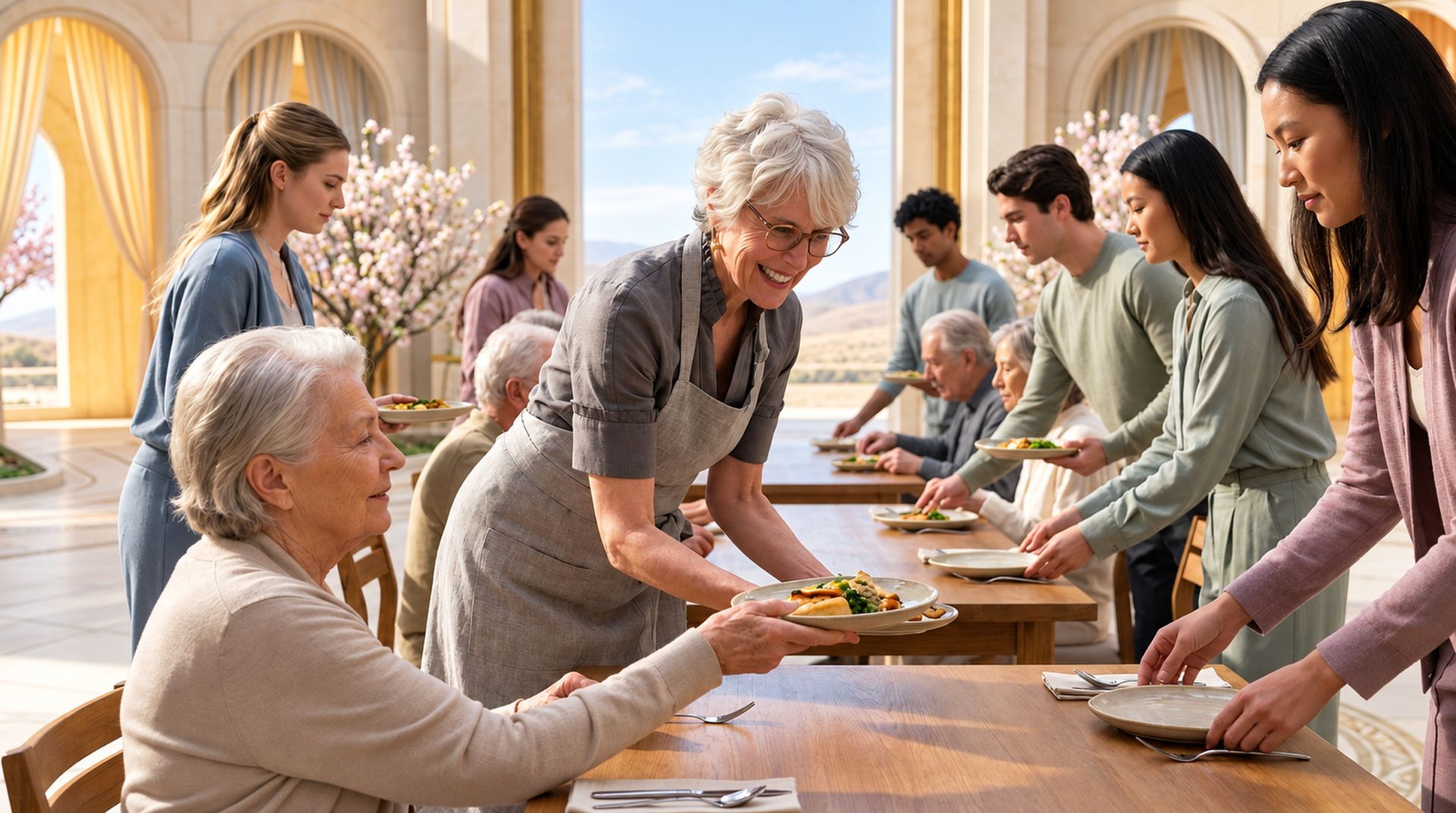
The applied courses are as central to the curriculum as the theory courses. The theory courses give students language, philosophical ideas, historical context and methods of inquiry. The applied courses place them inside sustained experiences where those ideas can be practiced, challenged, observed and refined. Through that immersion, students discover the difference between understanding a principle and being able to live it. Each applied course becomes a field of practice and research, where students develop skill, document what changes and receive feedback.
They take what students have learned into the world, in two ways. First, students study how flourishing is already happening through systems and organizations that exist today, in areas such as food, the earth, law, advocacy, prisons and community. They learn how those efforts were built and what keeps them alive.
Second, each student designs a project of their own that brings what they have learned into a setting they care about. Looking through the lens of Eros, they work out how that setting can flourish and what it needs to reach its full potential. They then bring the project to life with the guidance of their faculty advisor. The project can inform their thesis or dissertation, or be done alongside it, so that what they practice in the world and what they write about grow together. Students leave with a contribution of their own already underway.
- 4
The Thesis or Dissertation
Every degree ends with an original written work completed through Ubiquity University: a master’s thesis for the MA and MMin, and a doctoral dissertation for the PhD and DMin.